Hemp to High-Performance: Energy, Materials, & Innovation.

our products

  • Biodiesel

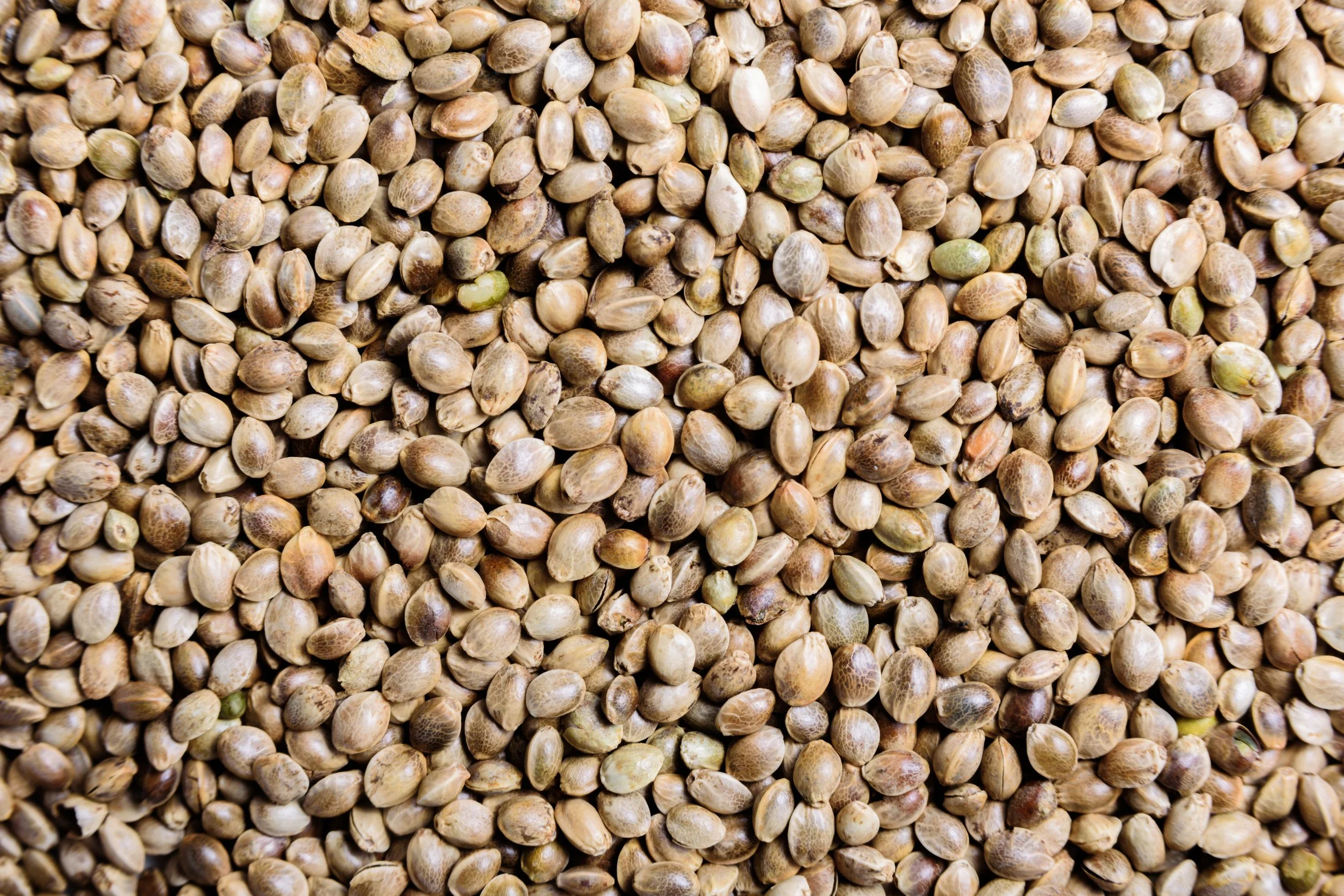
    Our biodiesel is produced from industrial hemp seed oil using a process called transesterification, where the natural oils are chemically converted into biodiesel. During this process, the hemp seed oil reacts with an alcohol and catalyst to separate the glycerin from the fuel molecules, creating a biodiesel substitute known as fatty acid methyl ester (FAME). This fuel burns cleaner than traditional petroleum diesel and is typically blended with conventional diesel fuels. We successfully powered an agricultural feed truck at a B30 blend, demonstrating real-world reliability in critical supply chains.

  • renewable diesel (in development)

    Our renewable diesel is produced by converting industrial hemp biomass using a thermochemical process called pyrolysis, where the hemp material heated in a low-oxygen environment to create an energy-rich bio-oil. That bio-oil is then refined through catalytic upgrading and hydrotreating processes to remove oxygen, improve stability, and convert the material into a clean-burning hydrocarbon fuel chemically similar to traditional petroleum diesel. The result is a high-performance renewable diesel compatible with existing engines and fuel infrastructure.

  • jet-range fuel (in development)

    Industrial hemp biomass can also be converted into a renewable jet-range fuel through pyrolysis. The early processes are similar to creating our renewable diesel. Once the bio oil is produced through the thermal reaction it is then upgraded through catalytic processing and hydrotreating to remove oxygen and impurities while improving fuel stability and energy density. The upgraded hydrocarbons are further refined, fractionated, and separated into the molecular range required for jet fuel. Additional finishing processes ensure the fuel meets aviation performance standards such as thermal stability, combustion efficiency, and freezing point requirements.

    The final product is a renewable jet-range fuel or precursor that can be blended with conventional aviation fuel and used within existing aircraft and fuel infrastructure, helping reduce reliance on fossil-based feedstocks.

why industrial hemp?

hemp is an optimal energy crop for biofuels and advanced materials because of its benefits to the earth, high yields with low input, and product versatility.

  • hemp is twice as efficient as trees at absorbing and retaining Carbon dioxide and adds regenerative properties to the soil it’s grown in by pulling up toxins and adding organic matter

  • Hemp can achieve higher biomass and Seed yields than other feedstocks with less resources due to its natural resilience and vigor, reducing water usage and the need for harmful pesticides

  • hemp is an economical plant that generates minimal waste, with every component, from the seeds to the stalks, holding value for the use in advanced products and materials